The Price of Ambition: What Elden Ring’s Broken Order Teaches Us About Human Hubris
2026-08-10
Video games rarely achieve the thematic weight of classical literature, yet FromSoftware’s masterpiece stands as a notable exception. Through intricate worldbuilding and deliberate environmental storytelling, the game constructs a sweeping critique of ideological dogma, divine ambition, and human fragility.
At the heart of the Lands Between lies a fallen empire suspended in decay. Rather than presenting a simple story of good versus evil, the narrative explores what happens when a ruler attempts to strip existence of its natural cycles in pursuit of an ideal state.
By examining the narrative architecture constructed by Hidetaka Miyazaki and George R.R. Martin, we discover a profound philosophical reflection on power. The game demonstrates that any system built on total domination inevitably contains the seeds of its own destruction.
Quick Summary / Key Takeaways: Elden Ring uses its shattered world to illustrate how the pursuit of eternal stability creates structural decay. Queen Marika’s removal of the Rune of Death mirrors historical attempts to impose absolute control over dynamic systems, leading to inevitable collapse. Ultimately, the narrative demonstrates that true growth requires accepting vulnerability, entropy, and impermanence.
The Foundations of the Golden Order: An Attempt to Eradicate Imperfection
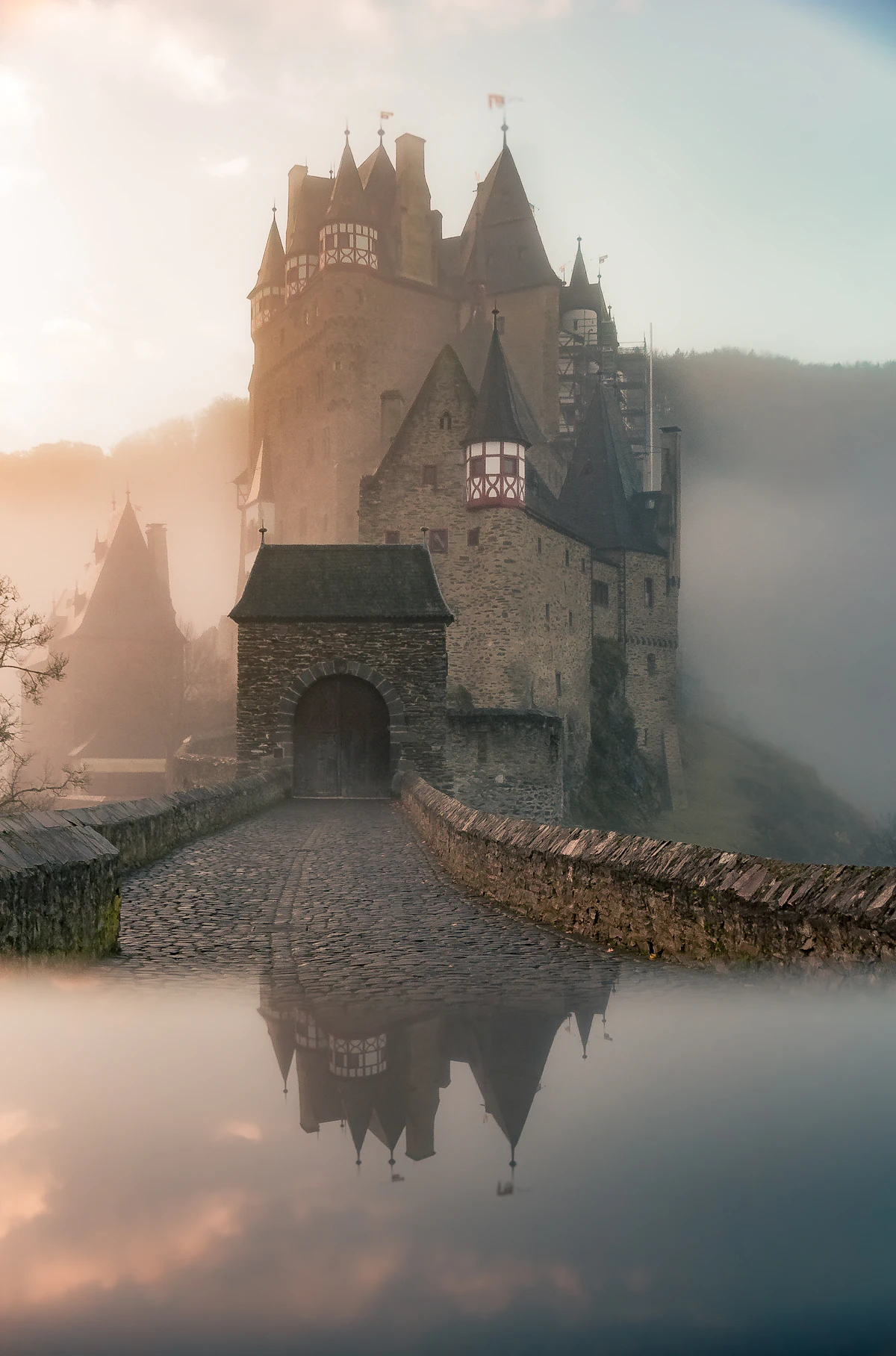
To understand the tragedy of the Lands Between, one must analyze the foundational metaphysics of the Golden Order. Queen Marika the Eternal established her domain by confining the Rune of Death, effectively removing mortality from the cosmic equation.
In removing natural death, Marika sought to build an unyielding paradise immune to loss. Her subjects no longer suffered traditional mortality, becoming bound to the Erdtree in a perpetual cycle of rebirth.
However, stripping death from the world created unforeseen existential stagnation. Without death, life loses its natural rhythm, resulting in a world clogged with immortal beings who have long lost their sense of purpose.
In analyzing this narrative arc, we see how Soulsborne lore storytelling frequently critiques human attempts to bypass natural order. The Golden Order attempted to conquer entropy, but merely altered the form that entropy took.
Scholars of narrative design often look to world encyclopedias such as Wikipedia to trace how mythological archetypes inform modern interactive storytelling. The Golden Order functions as a classic high fantasy regime whose noble intentions curdle into tyrannical stagnation.
The institutionalization of Grace created a rigid hierarchy that cast out anyone who did not conform. Omen children, Misbegotten, and those who Lived in Death were systematically oppressed to preserve an illusion of pristine divine purity.
This fundamental hypocrisy reveals the inner flaw of Marika’s regime. A system that requires constant exclusion and violence to maintain its illusion of perfection is inherently broken from its inception.
Queen Marika and the Paradox of Immutable Rule
Queen Marika serves as the ultimate tragic catalyst within the game's expansive mythos. Her transition from a conquest-driven vessel of the Greater Will to a rebellious iconoclast forms the emotional core of the lore.
Initially, Marika operated as an obedient instrument of the Outer Will, wielding divine authority to subdue rival factions across the continent. She defeated the Fire Giants, subjugated the Dragons, and integrated the Academy of Raya Lucaria through political alliance.
Yet, absolute victory brought profound isolation. As the centuries passed, Marika began to realize that her divine status made her little more than a prisoner of higher cosmic forces.
Her decision to shatter the Elden Ring was not a sudden act of madness. It was a calculated, desperate rebellion against an oppressive cosmic hierarchy that demanded absolute compliance.
By shattering the anchor of reality, Marika accepted total self-destruction to break the stagnation of her own creation. Her character arc illustrates the unbearable psychological cost of holding absolute power over an entire civilization.
When contextualizing this historical arc within broader literary traditions, Marika mirrors mythological figures who stole fire from the heavens, only to be chained for eternity. Her rebellion cost her kingdom everything, proving that divine authority cannot indefinitely suppress fundamental truths.
Comparative Analysis: Key Figures and Their Philosophical Ideologies
The conflict across the Lands Between is driven by competing visions for the future of reality. Each demigod represents a distinct response to the collapse of the Golden Order.
| Figure / Faction | Core Philosophy | Fatal Flaw | Narrative Outcome |
|---|---|---|---|
| Queen Marika | Absolute divine immortality through total control over reality. | Hubris in treating cosmic balance as personal property. | Imprisonment within the Erdtree and the shattering of her realm. |
| Radagon of the Golden Order | Blind devotion to fundamentalism, order, and structural restoration. | Refusal to accept the necessity of systemic change and adaptation. | Fused with a failing host body, endlessly attempting repairs. |
| Ranni the Witch | Total liberation from cosmic interference via the Age of the Stars. | Willingness to sacrifice her family and realm to achieve her goals. | Departs into the cosmic void, leaving mortals to self-govern. |
| Miquella the Unalloyed | Compassionate order engineered to eliminate suffering through divine charm. | Stripping free will under the guise of benevolence and mercy. | Tragic corruption of his own ideals and tragic ultimate failure. |
| General Radahn | Martial honor and preservation of the historical status quo. | Obsession with past glory that locked the movement of the stars. | Mindless madness on the desolate battlefields of Caelid. |
Evaluating these competing paths exposes the core thesis of the story. No single ruler, regardless of how noble their initial motives may seem, can construct a flawless world through centralized force.
The Fractured Mind: Radagon, Marika, and Duality in Collapse

The revelation that Radagon and Marika inhabit the same physical vessel is one of the most compelling twists in modern narrative gaming. This duality presents a physical manifestation of an empire at war with itself.
Radagon represents fundamentalism, rigidity, and the instinct to repair broken structures at any cost. While Marika swung her hammer to shatter the Elden Ring, Radagon immediately attempted to repair the fractures.
This internal conflict symbolizes the cognitive dissonance inherent in totalitarian ideologies. One half of the sovereign entity seeks freedom and destruction, while the other half demands conformity and preservation.
In evaluating this framework, the physical decay of their shared body mirrors the broader ruin of their kingdom. The stone-like flesh cracks, revealing a hollow interior glowing with fading cosmic power.
Literary enthusiasts frequently compare this dual-identity motif to classic psychological literature cataloged on literary hubs like Goodreads. The splitting of identity reflects an inability to reconcile conflicting duties to self and state.
Because Radagon refused to accept that the Golden Order was fundamentally flawed, his efforts to mend it only protracted the realm's agony. He bound himself to a broken shell, guarding a hollow throne in an empty tree.
Demigods as Manifestations of Ideological Failure
The offspring of Marika and Radagon serve as living symbols of their parents' ideological shortcomings. Each demigod inherited immense power, yet each was cursed by the inherent imbalances of the world they sought to inherit.
Malenia and Miquella represent the tragic zenith of this divine lineage. Born with eternal afflictions, their existence proves that even divine royalty cannot escape systemic corruption.
Malenia’s Scarlet Rot represents the inevitable decay that blossoms when natural forces are suppressed. Her legendary duel with General Radahn devastated an entire province, transforming Caelid into a nightmare of biological horror.
Miquella’s pursuit of Unalloyed Gold was an attempt to bypass both the Golden Order and the corrupting Outer Gods. Yet his vision required discarding his own heart, love, and human empathy to attain godhood.
In analyzing Miquella’s journey, we see the dangerous trap of pure utilitarianism. In his quest to build a world free of pain, he was willing to strip humanity of its agency and moral freedom.
The tragedy of the demigods highlights the infectious nature of hubris. Rather than healing their broken world, each demigod accelerated its downfall by refusing to yield their personal vision of order.
What Elden Ring Teaches Us About Human Ambition
The narrative of the Lands Between offers a timeless critique of human ambition that extends far beyond its fantasy setting. It warns against the dangerous temptation to lock dynamic, living systems into static, unyielding formats.
Whether in politics, environmental management, or personal philosophy, attempts to eliminate friction entirely often produce destructive backlash. True stability is not the absence of change, but the capacity to adapt to it.
When we examine the various endings offered to the player, the game clearly favors paths that reject eternal stagnation. Reintroducing mortality or stepping into the unknown darkness allows the world to finally heal and breathe again.
The Tarnished player character is defined not by divine right, but by the ability to struggle, learn, and adapt within a hostile environment. Growth arises from navigating failure, not from claiming inherent perfection.
Ultimately, the fallen golden trees and shattered monuments of the Lands Between remind us that nothing built on denial of fundamental reality can endure. Ambition without humility invariably leads to collapse.
Frequently Asked Questions
What is the primary cause of the Shattering in Elden Ring?
The Shattering was caused by Queen Marika breaking the Elden Ring following a long period of disillusionment with the Golden Order and the tragic assassination of her son, Godwyn the Golden. This act disrupted the physical laws governing reality and sparked a catastrophic war among her demigod children for control of the broken Great Runes.
Why did Queen Marika remove the Rune of Death from the Elden Ring?
Queen Marika removed the Rune of Death to create an era of eternal life for her reign and her subjects, establishing the foundation of the Golden Order. By sealing death away within the Black Blade of Maliketh, she sought to eliminate loss and maintain permanent control over life and rebirth across the Lands Between.
What does the Golden Order represent in the game's overall narrative themes?
The Golden Order represents rigid institutional dogma, absolute power, and the human attempt to conquer natural entropy through force. The story uses the failure of the Golden Order to illustrate that suppressing natural cycles and enforcing total control leads to stagnation, hypocrisy, and systemic ruin.
Editorial Disclaimer: This article provides literary critique, narrative breakdown, and thematic analysis of fictional video game lore for educational and entertainment purposes.