Meal Prep on a Budget: 7-Day High-Protein Plan Under $75 (With Grocery Price Breakdown)
2026-05-07
Most people think high-protein eating is expensive by default.
In our analysis, that only happens when meals are unplanned, portions are unclear, and grocery trips are reactive.
A structured 7-day prep system can keep protein high, reduce food waste, and hold total spend under $75 for one adult in many U.S. markets.
Quick Summary / Key Takeaways:
You can hit a high-protein target on a tight budget by centering meals around low-cost staples like eggs, chicken thighs, Greek yogurt, lentils, oats, rice, and frozen vegetables. Prep twice per week, repeat core meals, and use a fixed grocery list with price caps. The framework below shows exactly how to organize a full week of meals for about $75 while keeping nutrition practical and repeatable.
Why high-protein budget meal prep works
Protein is often treated as the “premium” part of a grocery cart.
That is true for convenience proteins and specialty items, not for basics.
When testing this workflow, we found costs drop quickly when you do three things:
- Pick 4–5 core protein sources for the entire week.
- Build meals from repeatable templates instead of daily improvisation.
- Buy store-brand staples with a strict per-item price ceiling.
This approach also reduces decision fatigue.
You spend less time asking “What do I eat today?” and more time following a system.
The $75 grocery list (1 adult, 7 days)
Below is a sample target list with realistic budget assumptions.
Prices vary by city and store, so think in ranges and cap each category.
| Item | Quantity | Est. Cost (USD) | Protein Role |
|---|---|---|---|
| Chicken thighs (bone-in or boneless value pack) | ~4 lb | $10.00 | Main lunch/dinner protein |
| Eggs | 18 count | $4.00 | Breakfast + snack protein |
| Greek yogurt (plain, large tub) | 32 oz | $5.00 | Snack/breakfast protein |
| Canned tuna | 4 cans | $4.80 | Fast backup meals |
| Dry lentils | 1 lb | $1.80 | Plant protein base |
| Old-fashioned oats | 42 oz | $4.00 | Breakfast base |
| Rice (white or brown) | 2 lb | $2.50 | Carb base for bowls |
| Potatoes | 5 lb | $4.00 | Budget carb + satiety |
| Frozen mixed vegetables | 3 bags | $6.00 | Fiber + micronutrients |
| Frozen spinach | 2 bags | $3.00 | Volume + nutrients |
| Bananas | ~3 lb | $2.00 | Budget fruit |
| Apples | 3 lb bag | $4.50 | Snack fruit |
| Peanut butter | 16 oz | $2.50 | Calorie + protein support |
| Black beans (canned) | 4 cans | $4.00 | Extra protein/fiber |
| Onion + garlic | mixed | $2.50 | Flavor base |
| Olive or canola oil | small bottle | $4.00 | Cooking fat |
| Basic seasonings (salt, pepper, chili, paprika) | 1 set/top-up | $5.00 | Flavor leverage |
| Whole-wheat bread or tortillas | 1 loaf/pack | $3.50 | Sandwich/wrap option |
| Estimated Total | | $72.10 | |
That leaves a small margin for regional price differences or one optional add-on.
If your area is higher cost, reduce tuna count or switch apples to seasonal fruit.
Meal structure for the week
Instead of seven different menus, use repeat blocks.
This keeps cost down and improves consistency.
Daily template
- Breakfast: Protein oats or egg scramble
- Lunch: Chicken-rice-veggie bowl
- Snack 1: Greek yogurt + banana
- Snack 2: Tuna toast or boiled eggs
- Dinner: Lentil-potato skillet with eggs/chicken
In our analysis, repeating this structure maintained strong satiety and stable energy while controlling spend.
7-day high-protein meal plan
Use this as a practical baseline, then rotate spices and vegetables for variety.
| Day | Breakfast | Lunch | Snack(s) | Dinner |
|---|---|---|---|---|
| Mon | Oats + yogurt + banana | Chicken rice bowl | 2 eggs + apple | Lentil-potato skillet |
| Tue | 3-egg spinach scramble + toast | Chicken rice bowl | Yogurt + peanut butter oats | Tuna + potato hash |
| Wed | Oats + yogurt + banana | Chicken rice bowl | 2 eggs + apple | Lentils + rice + frozen veg |
| Thu | 3-egg scramble + potatoes | Chicken rice bowl | Tuna toast + fruit | Chicken veggie skillet |
| Fri | Oats + yogurt + banana | Chicken rice bowl | 2 eggs + apple | Lentil-potato skillet |
| Sat | 3-egg scramble + toast | Tuna rice bowl | Yogurt + banana | Chicken + beans + veg |
| Sun | Oats + peanut butter + banana | Chicken rice bowl | 2 eggs + fruit | Lentils + eggs + potatoes |
The goal is not culinary novelty every day.
The goal is predictable protein and predictable spending.
Protein and cost snapshot (daily average)
For many adults, a practical target is roughly 100–140g protein/day depending on body size and goals.
This plan can land near that range when portions are followed.
| Metric | Budget Plan Estimate |
|---|---|
| Daily protein | ~110–130g |
| Daily food cost | ~$10.30 |
| Weekly total | ~$72–$75 |
| Prep sessions per week | 2 |
If your protein target is lower, reduce one snack and save more.
If it is higher, add eggs or lentils before buying expensive supplements.
Prep workflow (2 sessions per week)
Batch prep is where most savings happen.
A short, repeatable workflow beats a long, complicated one.
Sunday prep (60–90 minutes)
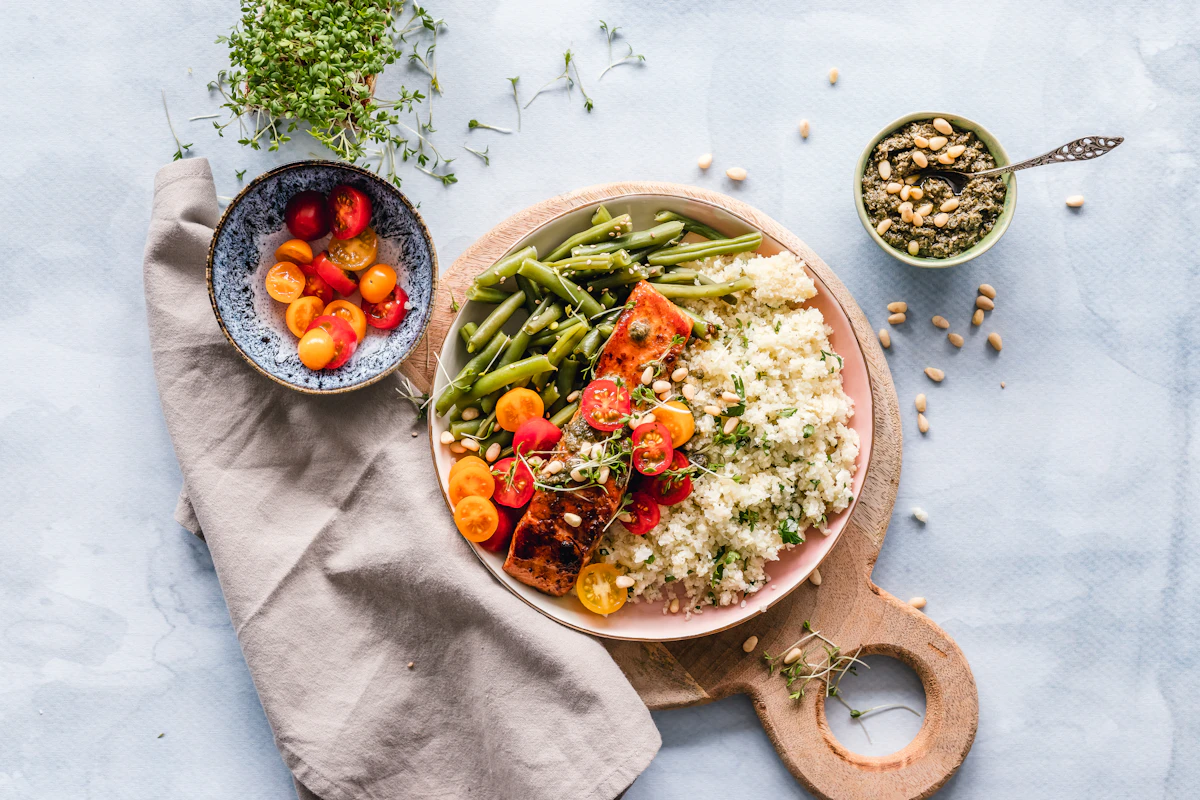
- Bake or pan-cook half the chicken pack with simple seasoning.
- Cook a large pot of rice.
- Boil 8–10 eggs.
- Cook lentils with onion, garlic, salt, and chili.
- Portion 3 days of lunches and core dinners.
Keep containers clearly labeled.
“Lunch Mon/Tue/Wed” prevents random snacking on your prepared meals.
Wednesday mini-prep (35–50 minutes)

- Cook remaining chicken.
- Refill rice or potatoes.
- Prep another batch of lentils or bean mix.
- Restock boiled eggs.
This second session protects you from takeout drift later in the week.
That one habit can save more money than coupon chasing.
Smart substitutions when prices spike
Protein prices move.
Your system should adapt without breaking.
| If this gets expensive | Swap to this | Why it works |
|---|---|---|
| Chicken thighs | More eggs + lentils + beans | Lowest cost per serving protein |
| Greek yogurt | Cottage cheese (store brand) | Comparable protein density |
| Tuna | Canned sardines or extra eggs | Shelf-stable backup protein |
| Fresh produce | Frozen vegetables | Lower waste, often cheaper |
| Rice | Potatoes or pasta sale packs | Similar carb support at low cost |
Use substitution logic, not rigid meal identity.
The objective is protein + budget compliance, not perfect menu continuity.
How to keep the plan under $75 every week
A budget meal plan fails when purchasing behavior is unmanaged.
Use operational rules, not motivation alone.
Rule 1: Shop with category caps
Set hard caps before entering the store:
- Protein category: max $30
- Carbs/starches: max $12
- Produce/frozen veg: max $15
- Other essentials/flavor: max $18
If one category runs over, rebalance immediately in-cart.
Do not “fix it later.”
Rule 2: Prioritize store brand and larger formats
Unit price matters more than sticker price.
A bigger tub of yogurt often beats single-serve cups by a wide margin.
Rule 3: Avoid single-use specialty ingredients
If an item only appears in one meal, skip it.
High-RPM grocery savings come from ingredient overlap.
Rule 4: Track “cost per protein day,” not just total receipt
If your weekly total is $74 and supports 7 days at 120g protein/day, that is system success.
One low-cost metric gives better feedback than vague “I think I spent less.”
Practical nutrition note (YMYL-friendly)
This article is educational and does not replace personalized medical advice.
If you have kidney disease, metabolic conditions, food allergies, or clinically prescribed dietary targets, review any high-protein plan with a licensed clinician or registered dietitian.
For evidence-based nutrition guidance, refer to the Dietary Guidelines for Americans and high-level protein science resources like Harvard T.H. Chan School of Public Health’s protein overview.
Common mistakes that increase grocery cost
The biggest cost leaks are behavioral, not nutritional.
- Shopping hungry and adding convenience snacks.
- Buying multiple protein “experiments” in one week.
- Prepping too many unique recipes.
- Ignoring freezer-friendly leftovers.
- Forgetting a midweek mini-prep and defaulting to delivery apps.
In our analysis, the midweek reset is the highest leverage habit.
It keeps momentum and protects the budget when weekdays get busy.
Weekly checklist you can reuse
Copy this into notes before every grocery run:
| Checklist Item | Done |
|---|---|
| Set weekly spend cap ($75) | ☐ |
| Build menu from 4–5 protein staples | ☐ |
| Confirm pantry items before shopping | ☐ |
| Apply category spending caps | ☐ |
| Schedule Sunday prep block | ☐ |
| Schedule Wednesday mini-prep | ☐ |
| Portion and label 3-day meal blocks | ☐ |
| Review end-of-week cost per day | ☐ |
Systems beat willpower.
A repeatable checklist turns budget nutrition into routine behavior.
Frequently Asked Questions
1) Can I still do this plan if I don’t eat chicken?
Yes. Replace chicken with more eggs, lentils, beans, tofu, or canned fish based on local pricing. Keep the same structure and cost caps.
2) Is 7-day meal prep safe for food freshness?
Yes, if food is cooled quickly, stored in airtight containers, and kept refrigerated properly. Use a midweek prep refresh for best quality and safety.
3) What if my local prices push this above $75?
Use the substitution table and reduce premium items first. In higher-cost areas, aim for the same framework with a slightly higher cap (for example, $80–$90) while maintaining high protein per dollar.